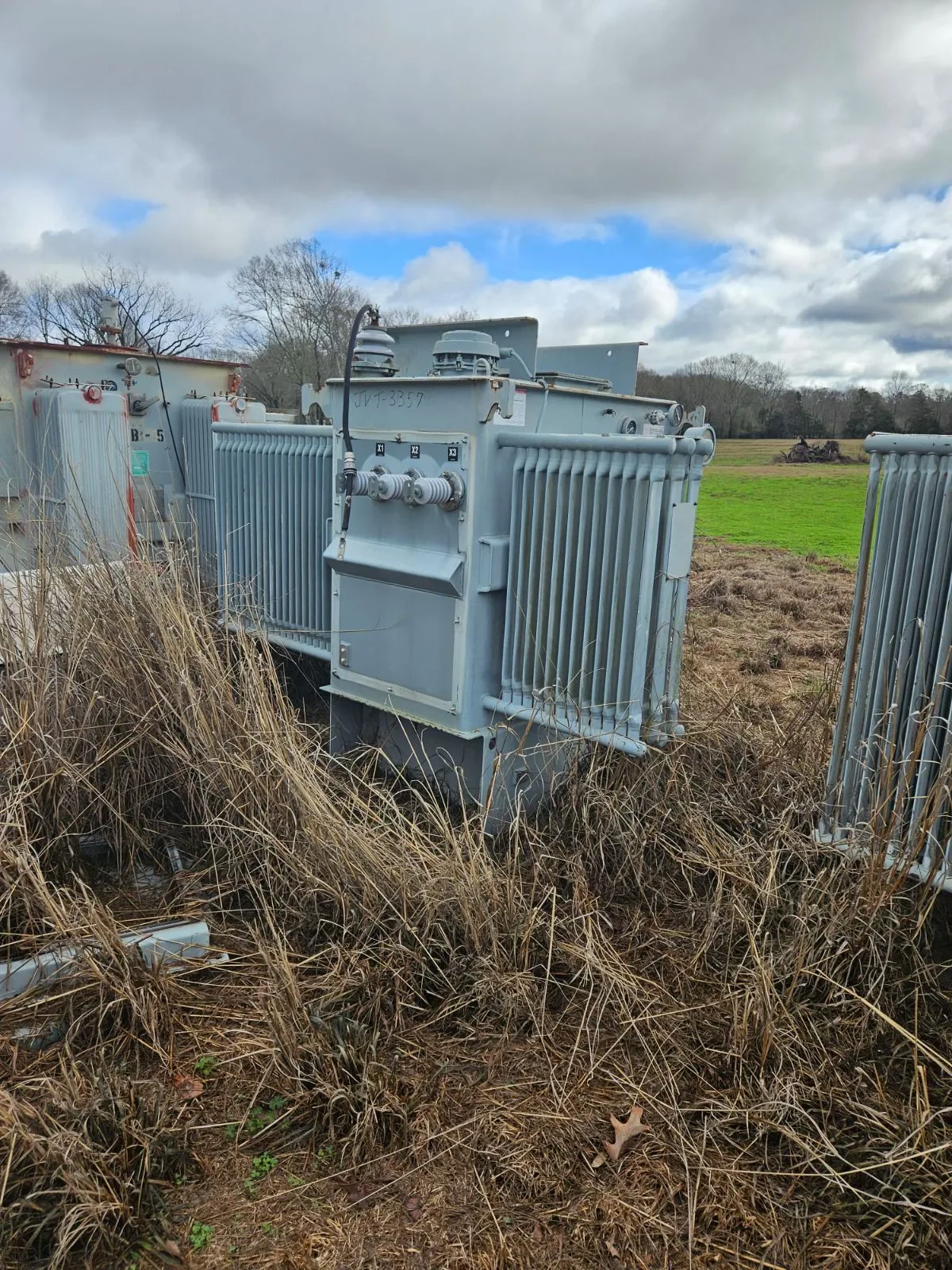
Start with the transformer nameplate
The nameplate guide explains how to photograph the plate safely and which fields help identify the unit. It covers manufacturer, serial number, kVA or MVA, voltage, phase, impedance, cooling, fluid, weight, and other common information without asking a seller to interpret every abbreviation.
Use the guide before leaving a remote site. A readable plate and full equipment views can eliminate several rounds of follow-up and help the buyer distinguish similar-looking units.
Describe condition without overstating it
The condition guide separates new-surplus, installed-used, stored, non-operational, damaged, drained, liquid-filled, and unknown situations. It shows how to describe known facts and disclose uncertainty rather than relying on labels such as “working,” “scrap,” or “like new.”
Accurate condition information supports the right market and logistics path. It can also prevent a transaction from changing after inspection or pickup planning.
Understand the drivers behind an offer
The valuation guide explains why transformer value is asset-specific. Electrical ratings, market fit, condition, documentation, completeness, quantity, location, site access, and transportation can all matter. A simple weight calculation rarely captures the full commercial picture.
The guide also shows how to compare written offers, including payment, contingencies, removal responsibilities, and freight, rather than choosing a headline number in isolation.
Follow the step-by-step selling process
The selling guide begins with ownership and site safety, then moves through asset documentation, qualified review, written terms, pickup preparation, and closeout records. It is designed for facility, contractor, distributor, utility, and asset-management workflows.
Use the steps as a checklist with internal stakeholders. A buyer can move more efficiently when authority, equipment, records, access, and timing are organized before pickup is scheduled.
Plan pickup around the real site
The logistics guide covers disconnection, rigging, loading, freight, route constraints, transport information, site control, and documentation. It helps sellers identify the decisions that must be assigned in the commercial agreement.
A photo of the route to the truck can be as useful as a close-up of the transformer. Access, weight, dimensions, and scope often determine whether the proposed pickup plan is realistic.
Route oil-filled and PCB-sensitive questions responsibly
The oil-filled transformer guide explains what existing records to collect and why fluid work, sampling, storage, transport, and disposal require qualified review. It does not make a legal, environmental, or classification determination.
Use the guide to organize labels, reports, and known facts, then involve the appropriate qualified personnel. Do not sample or drain equipment solely to complete a commercial inquiry.
Keep copies of the final inventory, accepted terms, pickup records, payment confirmation, and site closeout notes together. A consistent transaction file gives the seller, buyer, and facility team a shared record of what was represented, agreed, removed, and completed.