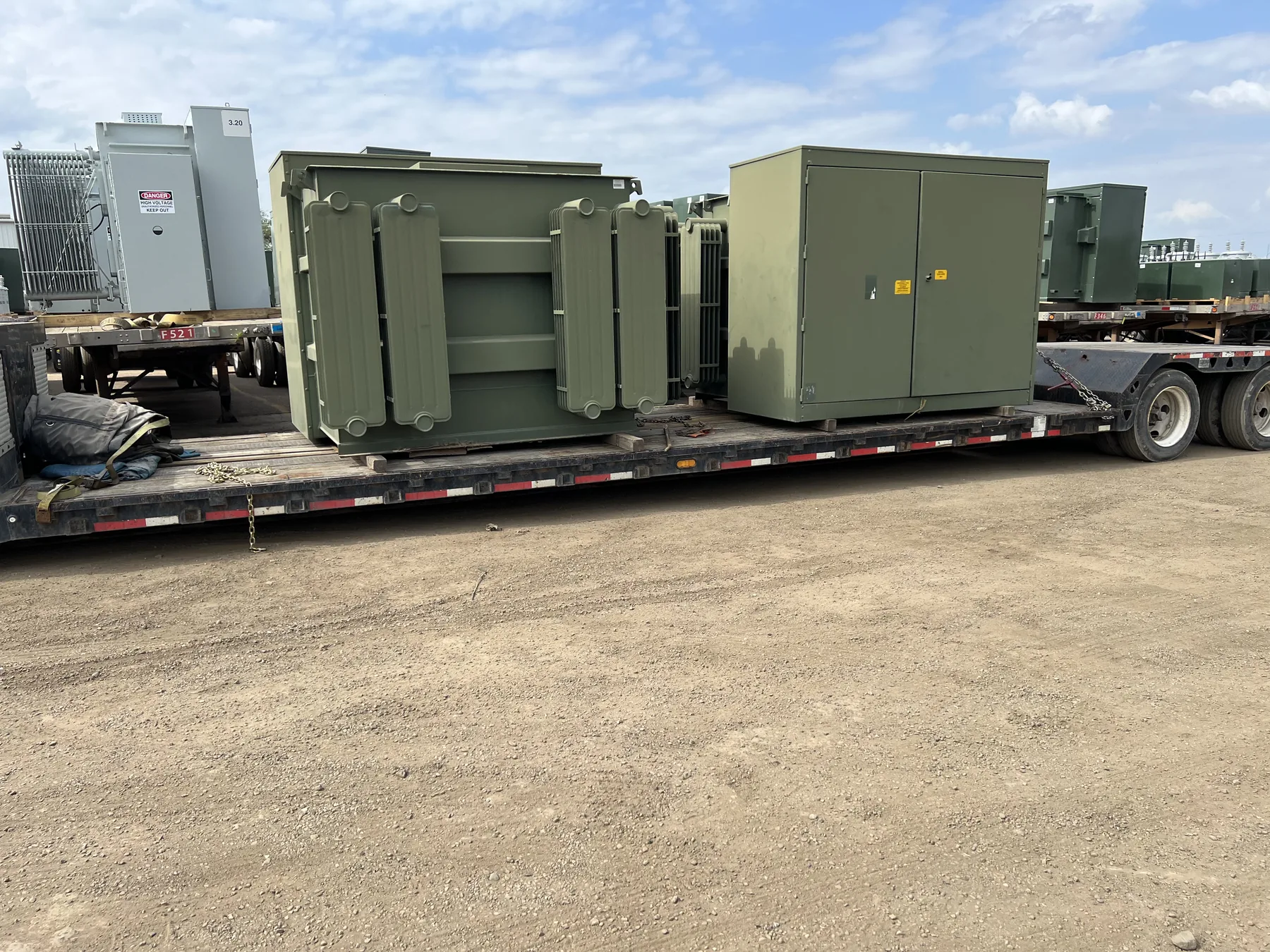
Why this website is different
Many equipment-buyer websites repeat broad claims without explaining how a transaction works. Electrical Transformer Buyers is designed as a seller decision system. The content helps owners and authorized representatives identify a transformer, describe its condition, understand valuation inputs, prepare a pickup discussion, and request a commercial review.
We do not claim that software, word count, schema, or a long list of city pages can replace real operating credibility. The site is structured to earn trust through useful guidance and to make unsupported claims easier to spot and remove.
Accuracy before speed
A fast answer is valuable only when it is based on the correct equipment and transaction facts. We ask for nameplates, photos, condition, records, location, access, and seller authority because those details shape eligibility and terms. Unknown information should be labeled honestly rather than guessed.
The same principle applies to our public statements. Nationwide service, pickup, payment, testing, insurance, certifications, environmental services, and response times should be described only to the extent they can be supported by current operations and written terms.
Respect for the seller’s time and site
A seller should understand what happens after submitting information. The normal sequence is initial qualification, focused follow-up, commercial proposal when there is a fit, agreement on responsibilities, and coordinated pickup. If equipment is outside the buying scope, a clear response is preferable to an indefinite lead queue.
We do not ask sellers to approach energized equipment, dismantle assets, drain fluid, or perform unsafe inspection work to generate a quote. Existing safe-to-obtain information is the correct starting point.
Written terms over verbal assumptions
Transformer transactions can involve equipment condition, quantities, payment, inspection, loading, freight, permits, site access, fluid status, and schedule. A professional agreement identifies the asset and allocates those responsibilities. It also explains any conditions that could change the transaction.
Sellers should compare the full obligation, not only the headline price. Clear terms reduce disputes and help facility, contractor, accounting, and transportation teams coordinate the work.
Content reviewed as an operating document
Our guides are intended to reflect the practical seller journey. They should be reviewed as the buying scope, markets, logistics capabilities, compliance resources, and documentation requirements change. Safety-sensitive and environmental topics require additional care and should point readers to qualified professionals and authoritative sources.
Search visibility is a result of useful information, crawlable architecture, credible evidence, relevant references and links, and consistent measurement. It is not the product of stuffing a phrase into every paragraph. We publish for the seller first and use structured technical signals to help search engines understand the same content.
Talk with the transformer buying team
Use the offer form when you have photos and ratings ready. Call or text when the situation is easier to explain directly, then follow with the organized asset information. For large or sensitive projects, discuss the appropriate document exchange before sending records.
Every inquiry is reviewed against the current buying scope. Submission does not guarantee an offer or purchase, but complete and accurate information creates the fastest path to a useful answer.