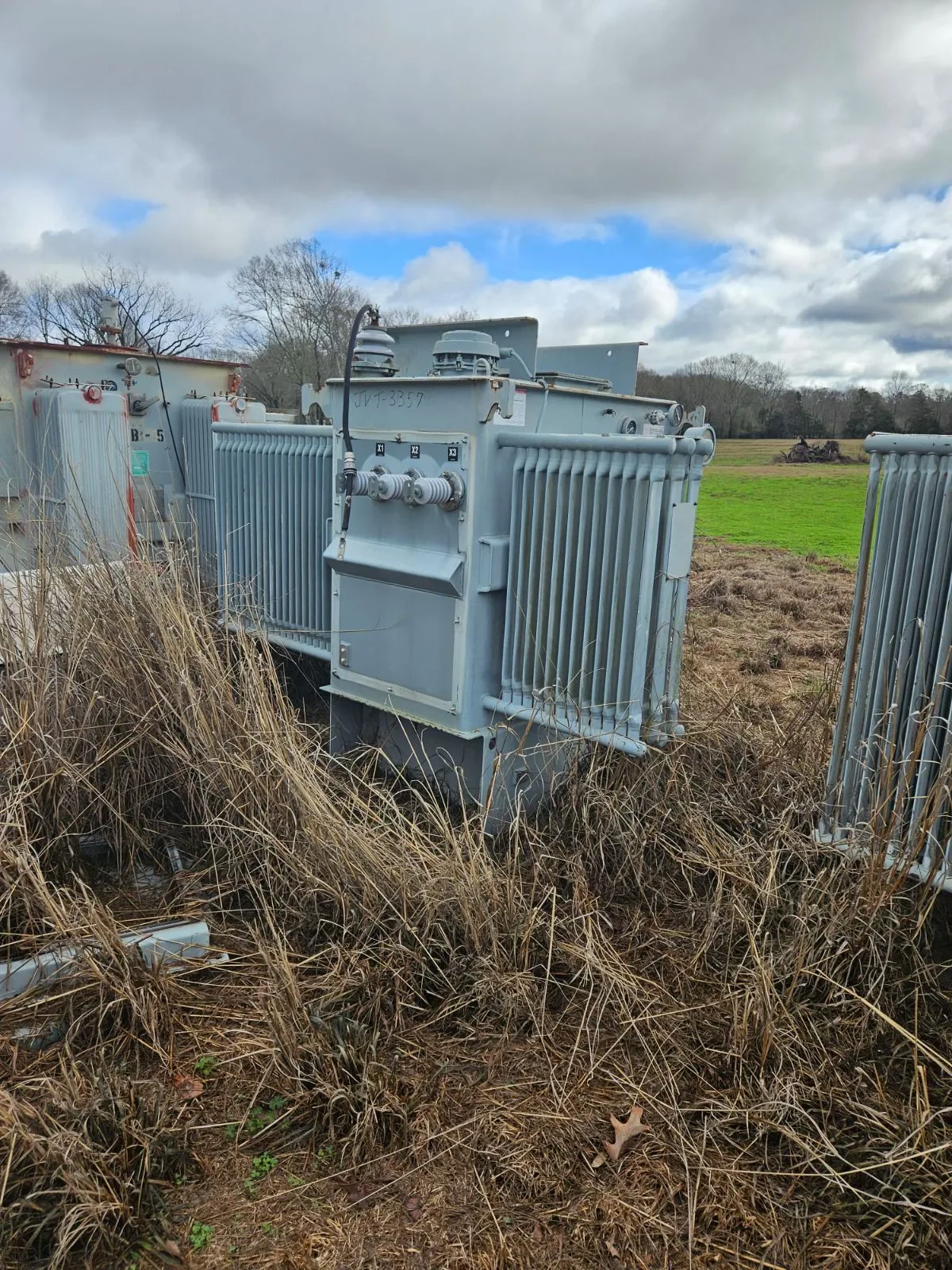
New-surplus and unused equipment
New-surplus equipment may come from canceled projects, specification changes, excess purchasing, distributor inventory, or a facility standardization program. “Unused” should be supported by storage history, purchase records, packaging, preservation records, and photographs rather than assumed from appearance. Long storage can still introduce moisture, corrosion, missing accessories, or warranty limitations.
Provide the original specifications, order records, drawings, test documents, and photographs of packaging and storage when available. Explain why the unit became surplus and whether it was ever energized or installed. A clear history helps a buyer distinguish unused inventory from equipment that is merely described as new.
Installed-used and removed-working equipment
For used transformers, explain the service application, operating history, maintenance, reason for replacement, date removed, and condition at removal. “Removed working” is more precise than “working” when the unit has not been tested since removal. Share available test reports and any known overload, fault, leak, flood, fire, or repair events.
Photographs should show the full unit and any condition concerns. If cables, bus, bushings, gauges, fans, panels, or other accessories were removed, identify what is included. Completeness can affect whether equipment is evaluated for reuse, rebuilding, parts, or another recovery path.
Stored and warehouse equipment
Storage conditions matter. Note whether the unit has been kept indoors, outdoors, covered, sealed, heated, blocked off the ground, or exposed to standing water. Provide dates if known. For liquid-filled equipment, disclose leaks or fluid work; for dry-type equipment, disclose moisture, contamination, or open enclosures.
A warehouse location can simplify pickup, but only if the weight, aisle width, dock or ground access, lifting equipment, and loading schedule are understood. Photograph the unit and the route. Do not move heavy equipment for a quote unless qualified personnel control the work.
Non-operational, damaged, or incomplete units
Some non-operational or damaged transformers may still be reviewed, but eligibility is highly asset-specific. Describe the known failure, damage, missing components, prior diagnosis, and any repair estimate. Avoid broad labels such as “scrap” when more specific information exists; the buyer needs to understand the equipment and the event.
Fire exposure, flooding, severe impact, broken bushings, open tanks, contamination, and missing identity require careful disclosure. These conditions may change the appropriate channel and can trigger specialized safety, environmental, or transportation considerations. Never conceal damage to support a higher initial offer.
Liquid-filled, drained, and PCB-sensitive situations
Do not assume the fluid type or PCB status based on age or appearance. Provide labels, laboratory reports, service records, manifests, or other existing documentation when available. Do not sample, drain, transfer, or dispose of liquid merely to prepare a commercial submission. Those activities may require qualified personnel, proper containers, and regulatory procedures.
The buyer will determine what information is required to evaluate the asset. Some situations may fall outside the buying scope or require a qualified environmental service path. This website does not provide legal, regulatory, environmental, or disposal advice.
Unknown condition can still be described honestly
If the history is unavailable, state that it is unknown. Send the nameplate, exterior photos, location, storage context, and visible condition. A buyer can then decide whether further diligence is practical. Guessing about operation, fluid, ownership, or testing creates avoidable risk.
The strongest submission separates fact from assumption. Use phrases such as “reported removed working,” “not tested since removal,” “fluid status unknown,” or “records unavailable” when they accurately describe the situation. Clear uncertainty is more useful than unsupported certainty.