Begin with technical identity and ownership
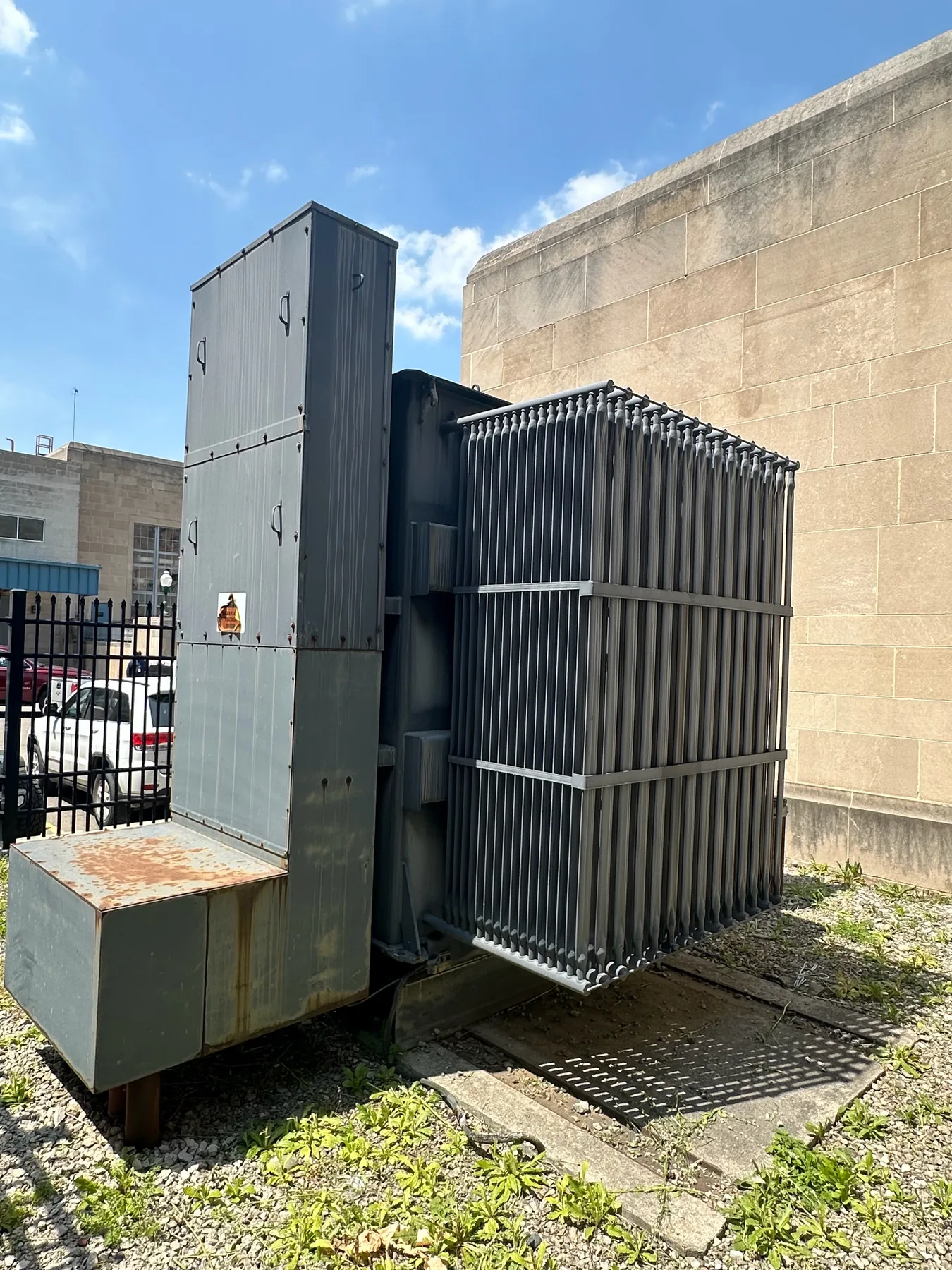
Power and substation transformers may represent substantial equipment and project obligations. The initial packet should identify the owner or authorized seller, manufacturer, serial number, manufacture or refurbishment date, MVA rating, voltage class, phase, impedance, cooling class, tap changer, fluid quantity and type when documented, dimensions, transport weight, accessories, and the reason for retirement.
Share available drawings, test reports, maintenance history, dissolved-gas analysis, oil or PCB-related records, failure reports, and prior repair information when they can be released. If the unit is part of an active facility, do not create new access or inspection activity for a quote until site leadership and qualified personnel approve it.
Condition review can include several evidence layers
Exterior condition, reported operating status, fluid history, accessories, records, and any known fault event can influence eligibility. Photos should show the tank, radiators, conservator when present, bushings, gauges, cabinets, fans and pumps, tap-changer equipment, impact areas, leaks, corrosion, and fire or flood exposure. State what is known, what is unknown, and which observations came from qualified reports.
A preliminary commercial review is not the same as an engineering conclusion. Additional inspection, sampling, testing, or expert review may be proposed only when it is justified and safely arranged. Environmental or disposal determinations require qualified parties and applicable records.
Heavy-haul and site scope can drive the project
Large transformer movement may involve oil handling, accessory removal, heavy lift engineering, cranes, jacking and skidding, specialized trailers, route surveys, permits, escorts, utility coordination, foundations, environmental controls, and site restoration. These tasks are not implied by a purchase inquiry. They must be defined in a project scope with accountable parties.
Provide site plans or route photographs when available, including road access, grades, turning areas, overhead restrictions, bridges, gates, soil conditions, working clearances, and the proposed loading position. Timing can also matter when a utility outage, demolition sequence, lease deadline, or replacement project controls access.
Commercial terms should match the actual asset and scope
An offer may separate equipment value from removal or transport costs. It may also include conditions tied to documents, oil status, inspection, accessories, dimensions, weight, or condition at pickup. The seller should understand whether the buyer is purchasing the transformer in place, after seller removal, or after specified preparation.
The agreement should identify payment timing, title transfer, risk of loss, access requirements, change handling, and responsibility for materials not included in the sale. Complex assets benefit from plain written terms more than from broad promises made before the site and records are understood.
Request a confidential project review
Start with the existing information rather than waiting for a perfect package. The buyer can identify critical gaps after reviewing the nameplate, records summary, photos, location, schedule, and current status. If documents are sensitive, ask about an appropriate exchange process before sending them.
A complete large-transformer transaction may take more coordination than smaller surplus pickups. The goal of the first response is to determine fit and the next responsible diligence step, not to create false urgency around a complex industrial asset.