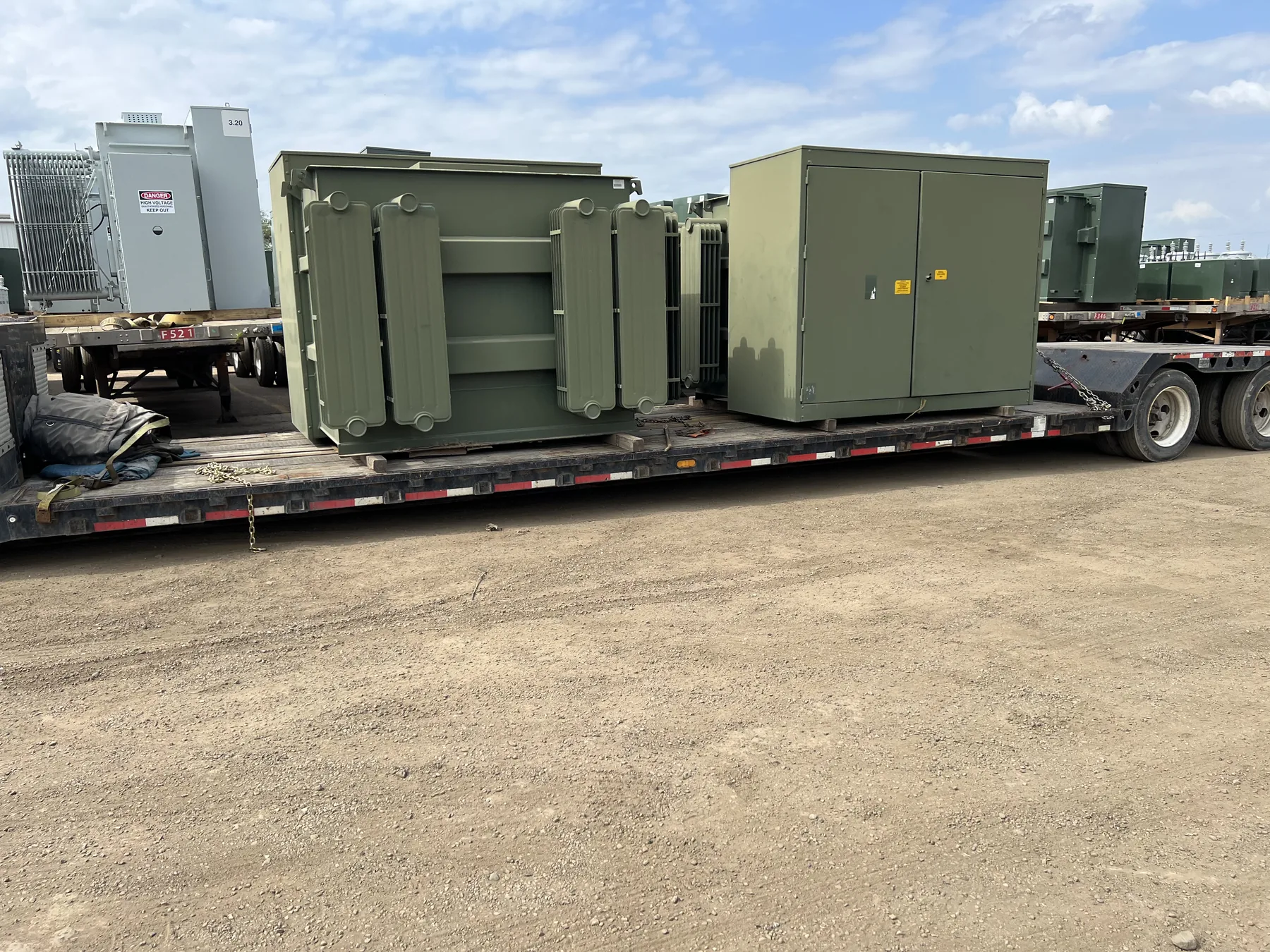
Identify construction, enclosure, and function
Dry-type transformers use air and solid insulation rather than insulating liquid. Commercial units may be open ventilated, enclosed, encapsulated, cast-coil, isolation, drive-duty, step-up, step-down, autotransformer, or other specialty designs. The category can include compact indoor equipment and much larger medium-voltage units, so photographs and full ratings are essential.
Capture the manufacturer plate, kVA, phase, frequency, primary and secondary voltage, taps, temperature rise, insulation class, enclosure rating, impedance, and weight when shown. Identify the application and whether the unit was installed indoors, outdoors in a rated enclosure, or stored. Do not remove panels from energized or unsafe equipment.
Winding and enclosure condition matter
Visible dust alone does not determine condition, but heavy contamination, moisture, overheating, damaged insulation, burned conductors, cut leads, missing barriers, loose components, or impact damage should be disclosed. Photograph ventilation openings, enclosure panels, terminal areas only when safely accessible, and any thermal or maintenance records already available.
Explain whether the unit was operating when removed and why it became surplus. A facility upgrade or canceled project is different from a failure event. If a qualified report identified a fault, include the report rather than summarizing it from memory.
Market fit is more than copper content
Dry-type transformers can have reuse, refurbishment, parts, or material-recovery value depending on design and condition. Ratings that match active commercial demand, complete enclosures, clear identification, known history, and clean indoor storage may improve fit. Severe damage, unknown identity, missing coils or terminals, contamination, or difficult access may limit options.
A buyer should evaluate the unit as equipment first rather than reducing every transformer to a metal estimate. At the same time, no seller should assume that age, original purchase price, or physical size guarantees a particular offer. Current demand and the costs required to make the unit marketable matter.
Plan removal around the room, not only the unit
Indoor transformers may be located in electrical rooms, mezzanines, basements, rooftops, or constrained mechanical spaces. Show door openings, corners, ramps, stairs, elevators, floor loading restrictions, and the route to the loading point. State whether the transformer is disconnected, whether conduit or bus is attached, and which party controls the work area.
The proposal should clarify disconnection, disassembly if any, skates or rigging, elevator use, loading, freight, and restoration. A transformer buyer is not automatically the electrical contractor or rigger for every site, so scope must be explicit.
Create a review-ready dry-type submission
Send full exterior photos, the nameplate, safe interior views if the enclosure is already open and de-energized, quantity, condition, location, and access details. For multiple matching units, a spreadsheet with temporary item numbers is more effective than a stream of unrelated images.
The response can then address eligibility, any additional documentation, commercial terms, and pickup planning. Clear submissions shorten the path to a real decision while protecting everyone from unsafe inspection requests or unsupported assumptions.