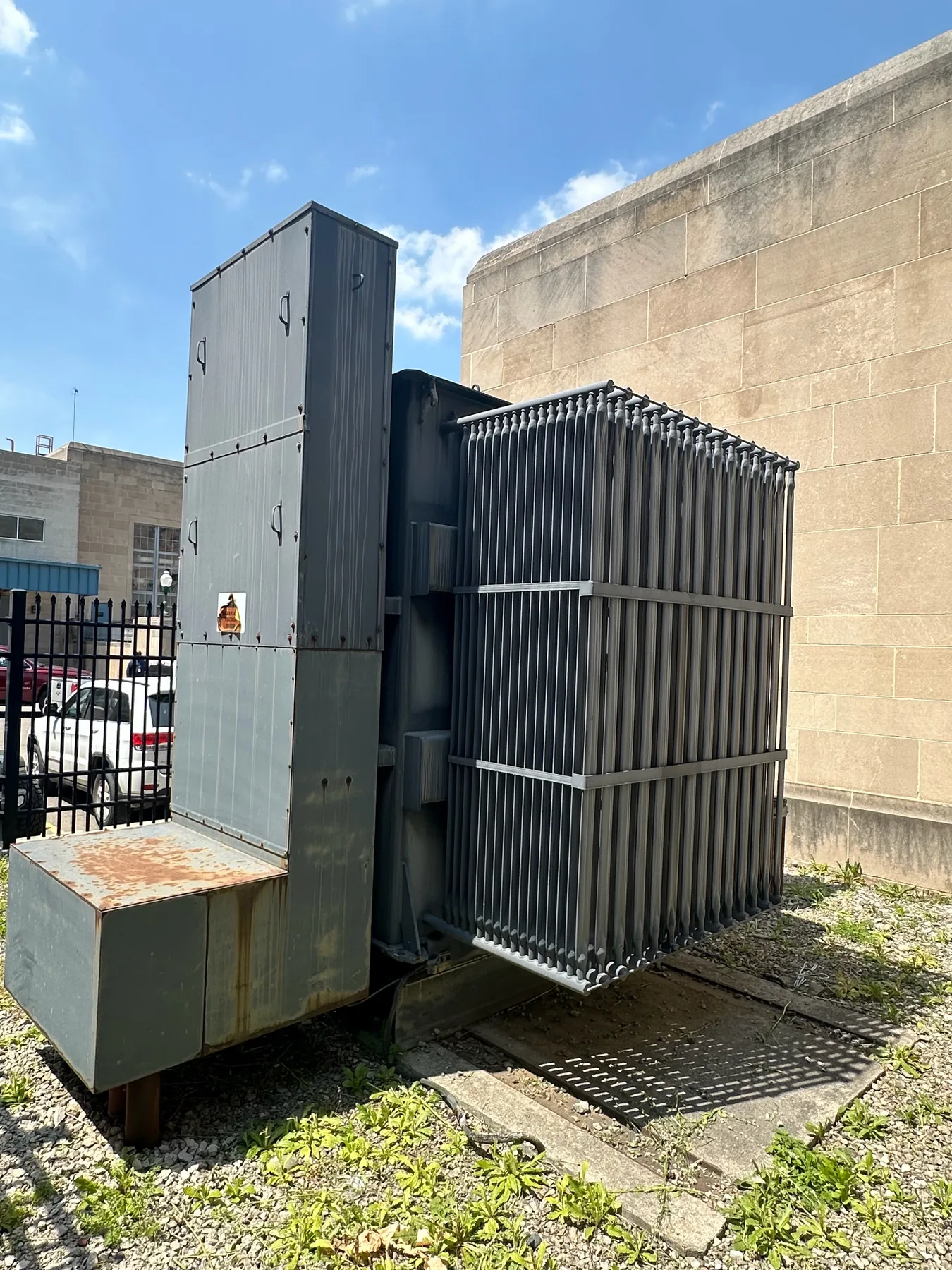
Electrical contractors and project closeouts
Contractors may have unused specified equipment, customer-owned removals, canceled-order inventory, or replaced units. The review should establish ownership, project status, storage, ratings, condition, quantity, and deadlines. If equipment belongs to the customer or general contractor, confirm written authority before offering it for sale.
Organize mixed inventory by item number and project. Identify original purchase records and unused status where applicable. For removals, state what work is complete and what remains in the contractor’s scope.
Distributors and warehouse surplus
Distributors and equipment dealers may have aged inventory, returns, discontinued lines, mixed lots, or project surplus. A spreadsheet with manufacturer, model, serial number, ratings, condition, quantity, packaging, location, and photos supports an efficient portfolio review.
Separate complete equipment from components and damaged items. Note whether original documents, accessories, and packaging are present. A buyer can then review the lot by category instead of treating every unit as an unidentified bulk load.
Industrial facilities and property teams
Facilities may sell transformers during upgrades, standardization, decommissioning, tenant changes, plant closure, or emergency replacement. Internal approvals, outage work, environmental records, contractor coordination, access, and schedule can be as important as the transformer specifications.
Identify the facility contact who controls site access and the technical contact who can confirm status. Do not schedule pickup before de-energization and disconnection responsibilities are clear.
Utilities, cooperatives, and public entities
Utility and public-sector asset sales may require approved disposition processes, bid or surplus rules, audit trails, cybersecurity or document controls, and formal pickup records. Provide the permitted transaction process early so the buyer can determine whether it can participate.
For standardized lots, include counts, ratings, condition codes, storage locations, and inspection rules. Avoid sharing protected infrastructure information through an open web form; use an approved channel for sensitive records.
Data centers, renewable projects, and developers
Fast-changing load plans, canceled projects, design revisions, interconnection changes, and phased construction can create high-value surplus. The seller should distinguish unused equipment from installed or commissioned units and provide the project documentation that supports its status.
Schedule pressure should not eliminate diligence. Freight, storage, manufacturer documentation, warranty transfer, owner approvals, and site constraints still need review before an offer or pickup plan is finalized.
Liquidators, brokers, and asset managers
Representatives should disclose their role and authority, identify the asset owner, and avoid presenting third-party photos or data as verified facts. A buyer may require direct owner confirmation, site access, title documentation, and clear fee or commission arrangements before moving forward.
Accurate representation builds trust and reduces duplicate inquiries for the same equipment. Send one organized package with the known decision process instead of distributing conflicting descriptions to multiple parties.