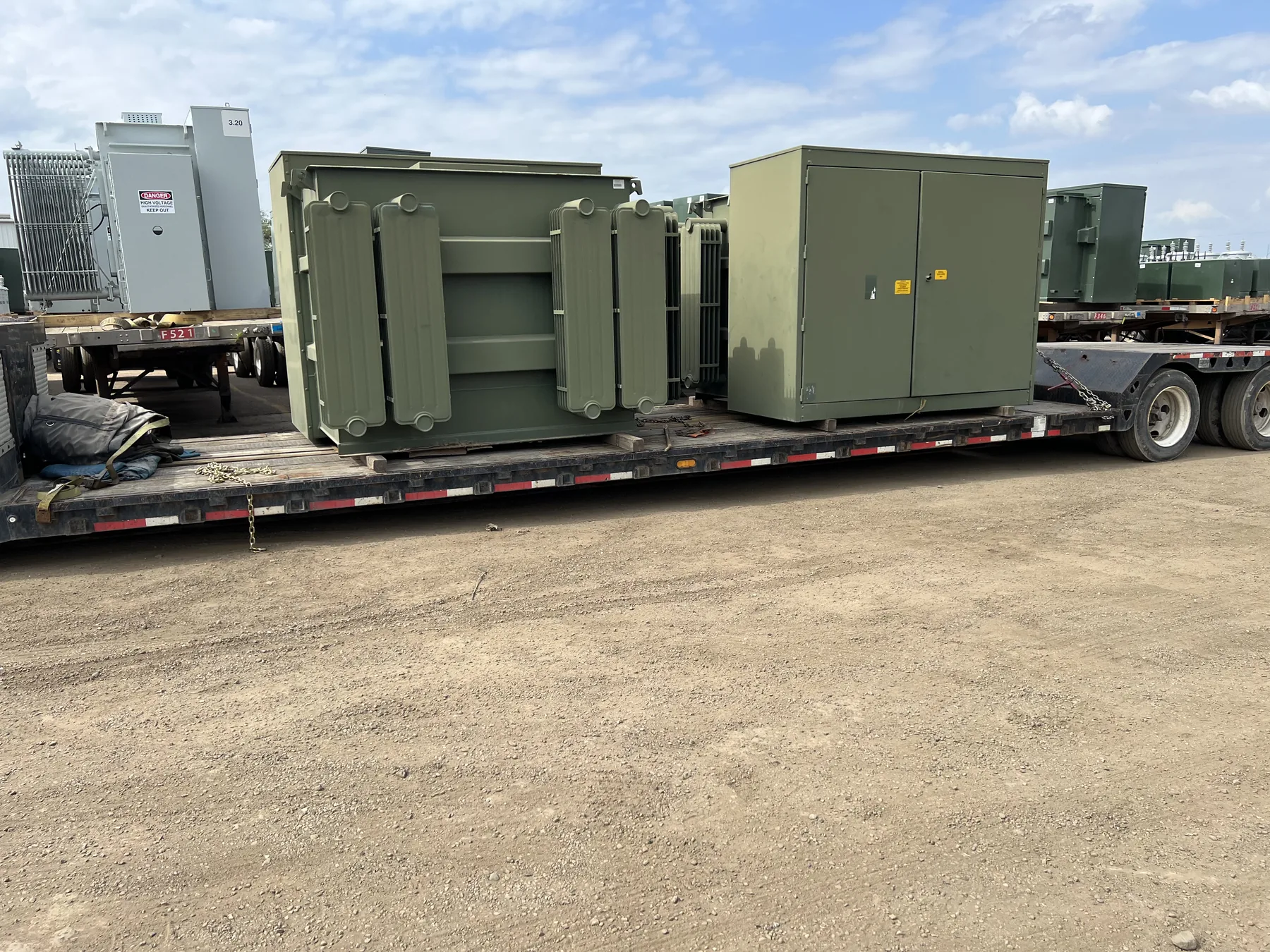
Distribution equipment is a broad category
Distribution transformers reduce or adjust voltage near the point where electricity is used. The category may include pad-mounted, pole-mounted, vault, network, and specialty units in single- or three-phase configurations. Because designs and applications vary, the words “distribution transformer” alone do not establish value, eligibility, or handling needs.
A buyer needs the electrical ratings and the physical configuration. Provide manufacturer, model, serial number, date, kVA, primary and secondary voltage, phase, impedance, cooling method, enclosure or mounting style, fluid type when shown, and weight. If a batch contains several models, create a simple line-item inventory rather than describing the entire lot as one unit.
Organize multiple units into a usable inventory
For a group of transformers, assign a temporary item number to each unit and use that number in the photo filenames and spreadsheet. Record the quantity of matching units, nameplate data, condition, location, and whether accessories are present. This prevents a common problem in which photos, ratings, and counts cannot be matched during review.
Separate new-surplus or unused inventory from installed-used, stored, damaged, and incomplete equipment. Note original packaging, storage environment, test documentation, and purchase records when available. Consistency across the inventory sheet and photos can make a larger commercial review substantially more efficient.
Condition should be described, not assumed
State whether each unit is operating, removed working, untested, non-operational, damaged, drained, or unknown. Include visible evidence such as corrosion, leaks, broken bushings, missing covers, cut leads, cabinet damage, water exposure, or fire exposure. Do not call a transformer “working” simply because it worked when it was last seen years ago; explain the actual known history.
Testing records can be useful, but the absence of records does not always prevent review. It may instead change the offer structure or the next requested step. Never energize or test equipment without qualified personnel and an appropriate safety program.
Quantity and staging shape the pickup plan
Several small units on pallets may require a different carrier and loading method than one heavy pole-mounted or vault transformer. Provide unit weights and dimensions when shown, total quantity, pallet or blocking condition, loading equipment available, dock or ground-level access, and any deadline. For installed equipment, include the route and state whether de-energization and disconnection are complete.
Commercial terms should allocate counting, staging, loading, freight, and any special handling. If the buyer relies on seller-provided counts or model lists, the proposal may include a verification condition. A clean inventory and accurate access description help reduce that uncertainty.
Submit the lot for a qualified review
Use the offer form for a small set or contact the team to coordinate a larger inventory file. Start with representative photos and the complete list rather than sending dozens of unlabeled images. If records are sensitive, ask how they should be shared before transmitting them.
A submission begins an evaluation; it does not create an automatic purchase obligation. The buyer will determine whether the units fit the current buying scope and what information or conditions are needed to move forward.