National reach with location-specific review
A transformer can be submitted from any U.S. location, but a submission is not an automatic pickup commitment. The buyer must review the asset, distance, weight, access, available loading, timing, carrier requirements, and commercial value. Some projects can move as straightforward warehouse freight, while installed or large units require more planning.
The central service-area page is the authoritative coverage statement. Legacy city and state URLs remain available for visitors and external links, but they point back to this hub because a useful service promise should be based on the actual asset and route rather than duplicated city copy.
Regional conditions change logistics
Dense urban sites may involve traffic, permits, narrow access, loading windows, elevators, or limited staging. Rural sites may involve long distances, soft ground, bridge limits, and limited nearby equipment. Coastal, desert, mountain, northern, and storm-prone regions can introduce weather, corrosion, route, or scheduling considerations.
These factors do not determine eligibility by themselves. They explain why the city and state, equipment weight, dimensions, site route, and deadline belong in the first information packet.
Warehouse and distributor pickups
For warehouse inventory, provide counts, pallets or blocking, aisle and dock access, loading equipment, hours, and a line-item spreadsheet. Standardized lots can be reviewed efficiently when photos and specifications are matched to each item number.
State whether the warehouse will load the carrier and whether appointments, insurance documents, driver identification, or other access requirements apply.
Installed equipment and project sites
Installed transformers require clarity about ownership, outage status, de-energization, disconnection, rigging, fluid work, loading, and site restoration. The purchaser is not automatically responsible for every field activity. The accepted proposal must allocate each task.
Provide site contacts, access images, project schedule, and the condition that will exist when pickup begins. Do not schedule transport around an assumed removal date that has not been confirmed by the responsible contractors.
Large transformer and heavy-haul projects
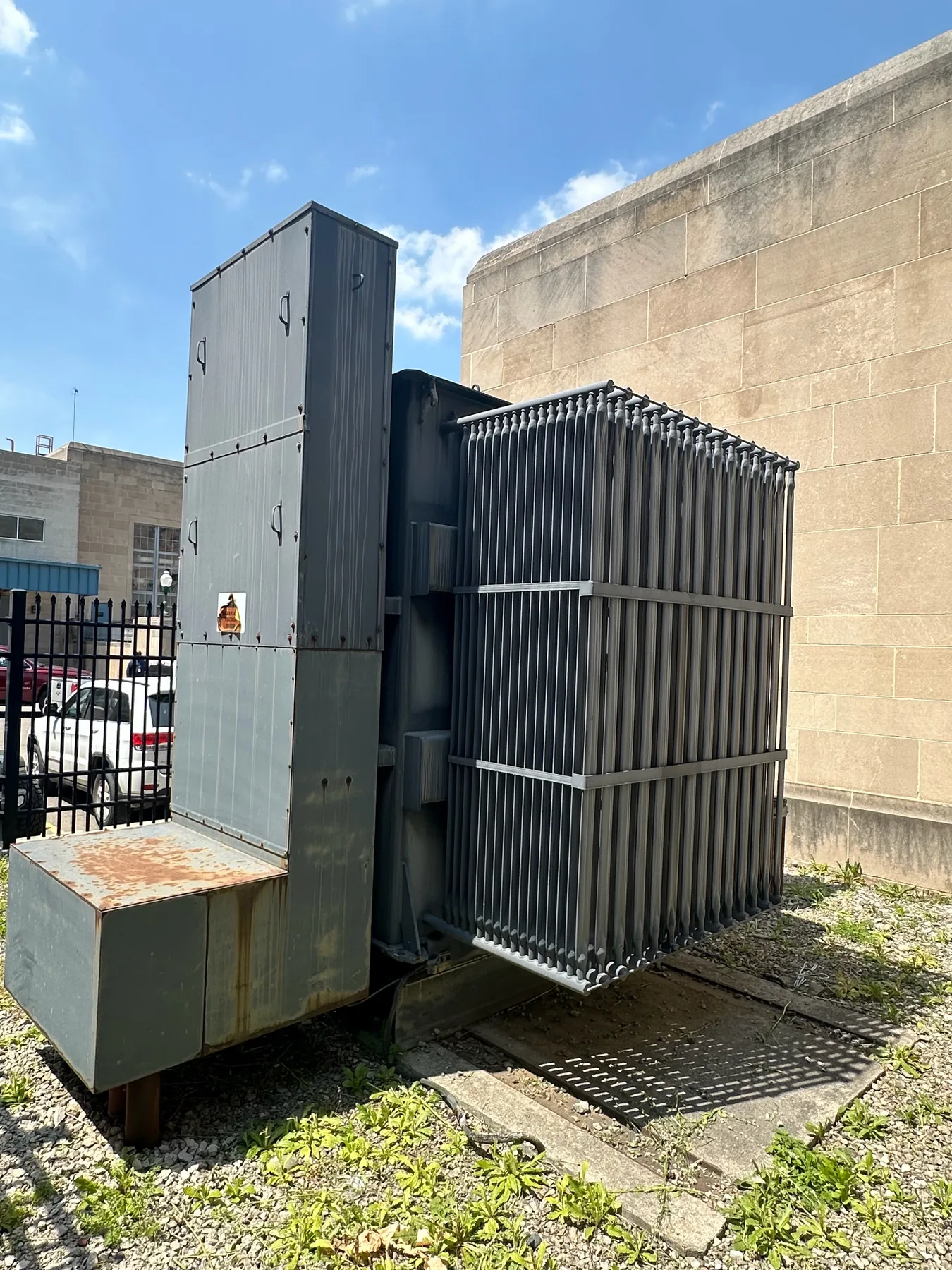
Power and substation transformers may require weight and dimension records, accessory details, fluid information, route studies, permits, escorts, crane or jacking plans, and a longer planning window. Begin with existing records and site context so the buyer can determine whether further diligence is justified.
A national service claim does not eliminate local requirements. Qualified carriers, contractors, and project stakeholders must follow the rules that apply to the specific move.
Send the location with the equipment information
A city name without transformer details cannot produce a reliable pickup answer. Send the nameplate, condition, quantity, exact location, verified dimensions and weight when available, loading access, and schedule. The review can then address both equipment fit and logistics.
Use the location directory below to find the preserved state or metro page that brought you here, or go directly to the offer request. Every location page links back to this hub so there are no isolated pages or dead-end regional journeys.