This guide is not legal or environmental advice
Requirements for polychlorinated biphenyls, commonly called PCBs, and other regulated materials depend on facts, records, concentration, equipment status, location, activity, and applicable law. This page provides a seller-preparation overview only. It does not determine PCB status, approve handling, classify waste, or replace advice from qualified environmental, legal, laboratory, transportation, or regulatory professionals.
If a transformer is leaking, damaged, involved in a release, or subject to a known compliance issue, follow the facility’s emergency and environmental procedures. Do not wait for a commercial buyer response before addressing an immediate safety or regulatory obligation.
Collect existing labels and documentation
Useful records may include manufacturer labels, fluid type, production date, laboratory reports, sampling dates and chain of custody, maintenance and oil-processing records, manifests, storage records, prior repair documents, spill or incident reports, and ownership history. Photograph labels without removing them and send complete reports rather than isolated numbers.
Do not infer PCB concentration from transformer age alone. Historic information can help a qualified reviewer decide what evidence is needed, but it does not replace records or appropriate testing. Mark unknown information as unknown.
Sampling and fluid work need qualified control
Opening valves, taking samples, transferring liquid, draining a transformer, selecting containers, labeling materials, and managing residues can create exposure and compliance risks. Do not perform those tasks merely to obtain a purchase quote. A qualified plan should identify who is authorized, which method and laboratory are appropriate, and how samples and materials are handled.
A buyer may review existing documentation first and determine whether additional information is necessary. Some situations may not fit the buyer’s commercial scope and may require a permitted environmental service provider.
Equipment purchase and disposal are different decisions
A transformer offered for purchase may be evaluated for reuse, refurbishment, parts, material recovery, or another path. Disposal and regulatory classification involve different responsibilities. A purchase inquiry should not be used to avoid or obscure required handling, reporting, storage, transport, or disposal obligations.
Written commercial terms should identify what is being purchased, the known fluid status, required documents, who performs any fluid work, and whether environmental services are included. Never assume that title transfer eliminates responsibilities that law or contract assigns to a party.
Use current authoritative requirements
The United States Environmental Protection Agency publishes guidance on the disposal and storage of PCB waste, and federal PCB requirements appear in 40 CFR Part 761. State, local, facility, transportation, and site-specific requirements may also apply. Regulations and guidance can change, so qualified personnel should check current sources for the actual project.
This site can help organize a commercial transformer submission, but it cannot provide a compliance determination. When you contact us, disclose known fluid and PCB information so the inquiry can be routed appropriately.
- EPA: Disposal and Storage of PCB Waste
- Electronic Code of Federal Regulations: 40 CFR Part 761
- Facility environmental, safety, and emergency procedures
- Qualified laboratory, transporter, and environmental-service requirements
Prepare a responsible inquiry
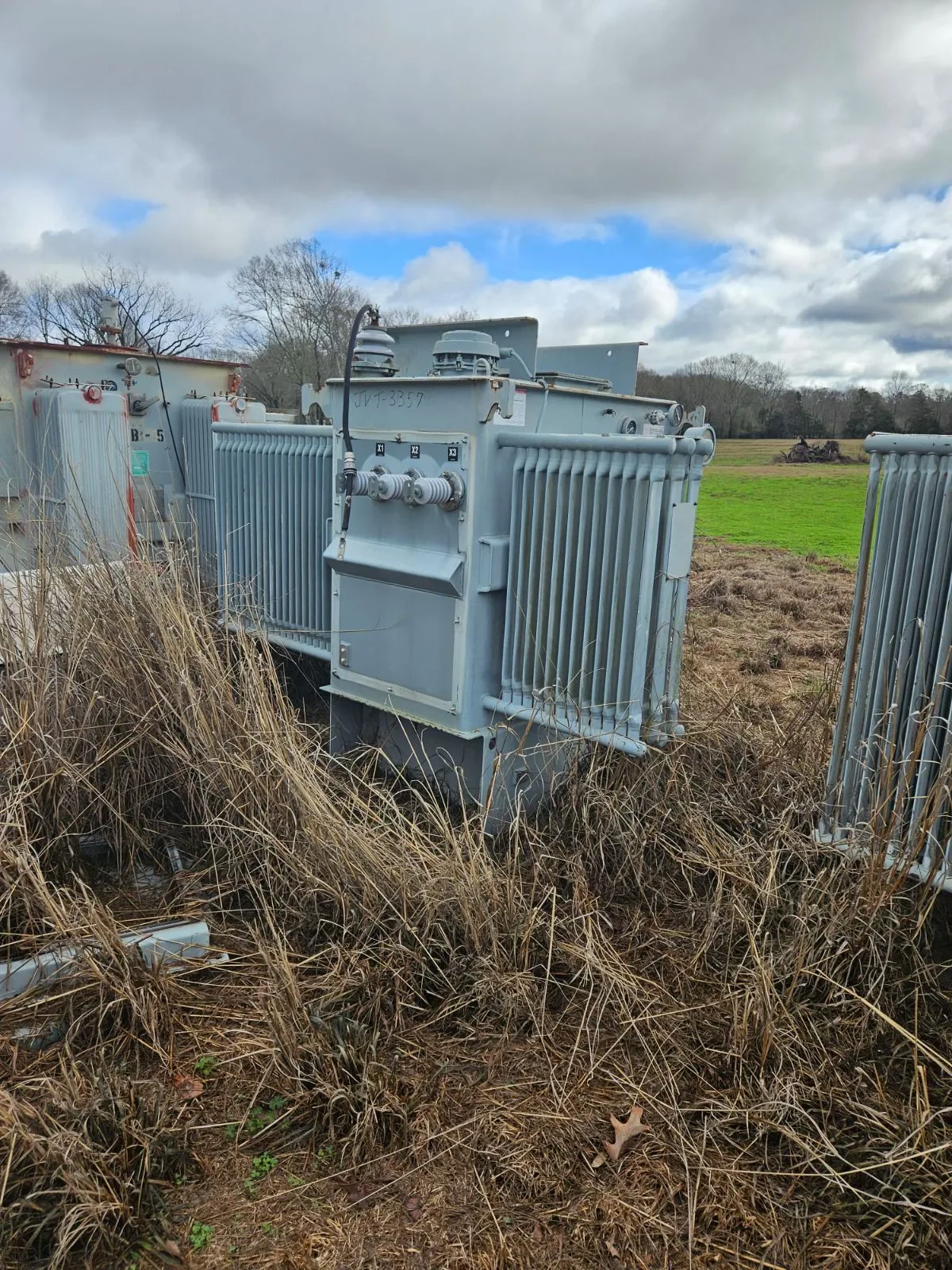
Send the transformer nameplate, full exterior photos, visible labels, location, condition, current status, and existing fluid or PCB documentation. Explain whether the unit is installed, stored, leaking, drained, damaged, or involved in a known incident. Do not minimize or omit a known issue.
The response may request specialist review, identify information gaps, or explain that the unit is outside the buying scope. A responsible no-fit answer is better than an unsupported purchase promise.