What “Who buys electrical transformers near me” should lead to
A search for who buys electrical transformers near me should lead to more than a phone number or a claim about paying the most. A useful buyer page should explain which transformers may be reviewed, what information creates a meaningful evaluation, how condition and documentation affect the offer, and how pickup responsibilities are assigned. Those details help a seller distinguish an equipment buyer from a generic lead form or scrap-only inquiry.
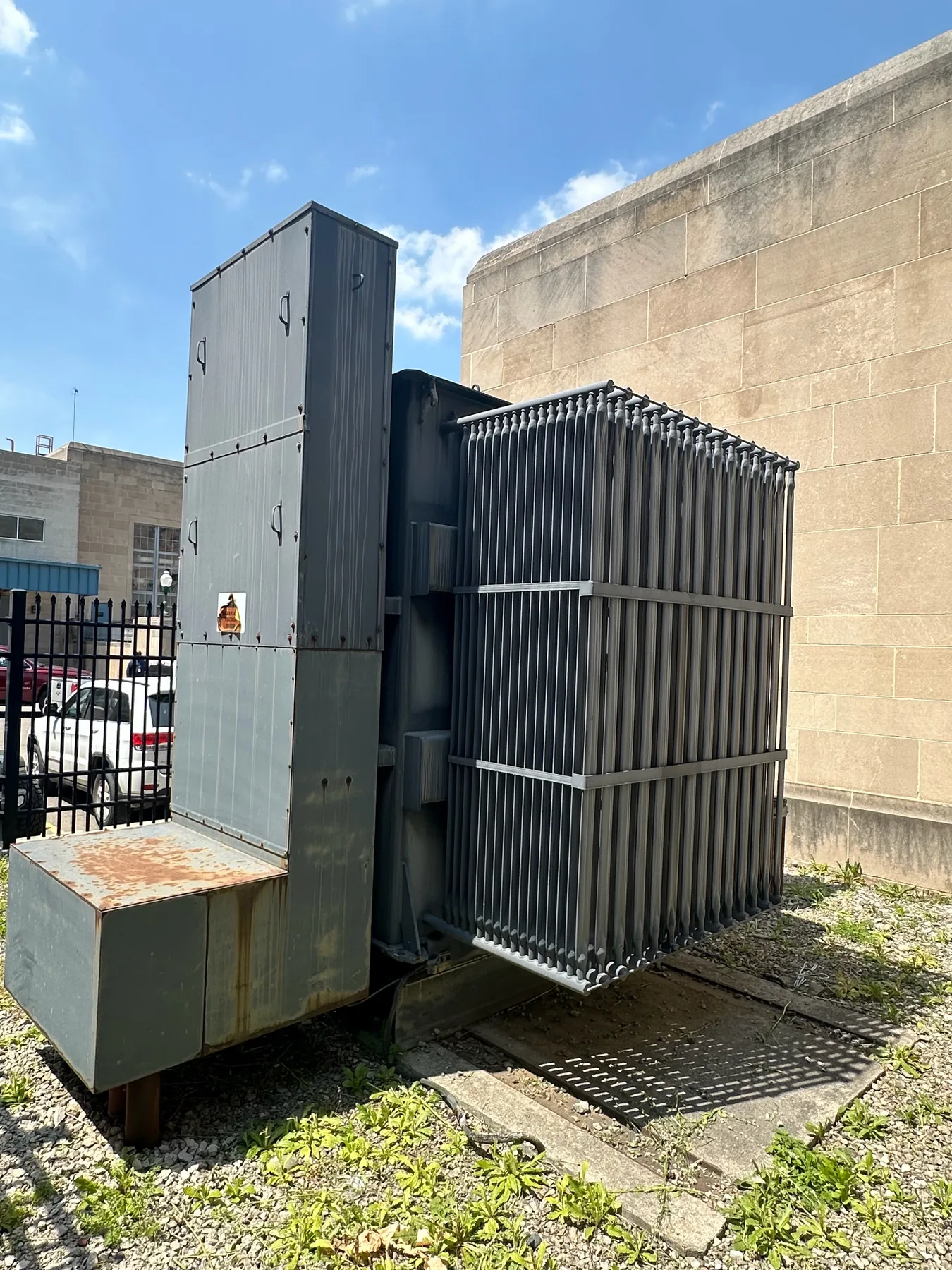
Start by confirming that the company reviews your transformer category and commercial situation. Pad-mounted, dry-type, distribution, isolation, step-up, step-down, power, and substation transformers can follow different valuation and logistics paths. New-surplus inventory is not evaluated the same way as an installed, damaged, drained, or long-stored unit. The first conversation should identify those differences instead of forcing every asset into one price formula.
Choose capability before proximity
“Near me” does not have to mean the closest office on a map. Transformer transactions depend on equipment fit, transportation reach, site access, loading resources, documentation, and the buyer’s ability to put those responsibilities in writing. A qualified national buyer may be more practical than a nearby company that cannot handle the transformer type, weight, condition, or project schedule.
Ask who will be the contracting buyer, how the equipment will be identified in the proposal, and what information remains subject to confirmation. If you are acting for another owner, establish your authority to sell or represent the assets. Clear ownership and accurate equipment identity are basic transaction requirements, not paperwork to postpone until a truck is scheduled.
Build a review-ready transformer submission
Send a readable nameplate image plus full views of the transformer, bushings or terminals, cabinet or tank, accessories, gauges, radiators or fans, and visible damage. State whether the unit is installed, energized, de-energized, disconnected, staged, stored, drained, tested, untested, operational, non-operational, or unknown. Never open energized compartments, remove guards, sample fluid, drain equipment, or move a transformer merely to create a quote request.
For multiple units, use a spreadsheet with one row per transformer and match every photograph to an item number. Include available purchase records, drawings, test reports, maintenance history, storage history, and oil or PCB-related documents when applicable. Unknown information is acceptable when clearly labeled. Unsupported claims such as “works perfectly” or “PCB free” can create more delay than an honest statement that records are unavailable.
- Readable nameplate and full-equipment photographs
- Condition, operating or storage history, and missing components
- Exact pickup location, quantity, deadline, dimensions, and weight
- Loading access, responsible site contact, and seller authority
Compare written offers and buyer responsibilities
A commercial proposal should identify the equipment, price or pricing basis, quantity, payment timing, pickup location, schedule, loading and freight responsibilities, and every condition that could change acceptance. Compare the complete transaction rather than a verbal number. A clear proposal lets operations, accounting, contractors, and the buyer work from the same scope.
Ask what happens if the serial number, condition, count, access, dimensions, weight, or available records differ from the original submission. Legitimate contingencies should be specific and reviewable. Avoid arrangements that leave essential responsibilities undefined or require a seller to make unsafe inspections, pay unexpected charges, or release equipment before the agreed payment condition is satisfied.
Plan transformer pickup before accepting the transaction
Pickup can involve de-energization, electrical disconnection, rigging, cranes or forklifts, skates, blocking and securement, specialized trailers, permits, route restrictions, fluid work, and site restoration. The seller should show the route from the transformer to the loading area, including doors, gates, curbs, overhead restrictions, soft ground, dock conditions, active equipment, and restricted work windows.
Do not assume that “pickup included” assigns every field task to the buyer. The written agreement should say who performs and pays for each activity and what condition the equipment must be in when the carrier arrives. Installed and large transformers often require coordination among the owner, electrical contractor, rigger, carrier, environmental personnel, and buyer before a safe date can be confirmed.
Turn “Who buys electrical transformers near me” into a qualified review
Use the primary service-area guide for broader process details, then prepare the offer request with the transformer type, ratings, condition, quantity, records, location, and access. Call or text (951) 403-5738 when the project is easier to explain directly. A complete first packet gives the buyer a better chance to provide a clear answer without repeated requests for basic information.
Submission starts an evaluation; it does not guarantee purchase, price, freight, removal, or response time. When the equipment fits the current buying scope, the next step is a written commercial discussion. When it does not, an accurate decline is more useful than a vague promise. The goal is a documented path that protects the seller’s time, property, personnel, and equipment.